Executive Summary
Solana has emerged as one of the most prominent high-performance blockchain platforms, known for its unparalleled transaction speeds, low fees, and scalability. Its economic ecosystem revolves around the native token SOL, which plays a central role in network security (through staking), governance, and incentive alignment.
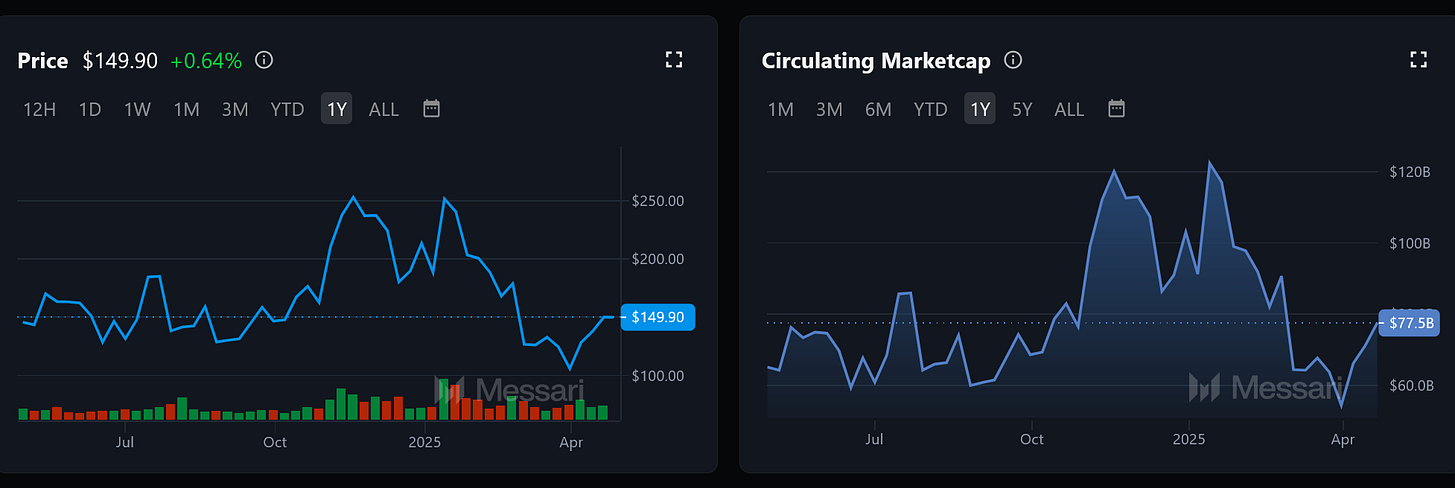
Key findings from this analysis include:
- Tokenomics: Solana’s SOL token supply is managed through a carefully designed inflationary model, balanced with staking rewards and token burning mechanisms to maintain long-term sustainability.
- DeFi Growth: Solana’s decentralized finance (DeFi) sector has seen strong growth in total value locked (TVL) and user activity, supported by projects like Jupiter, Marginfi, and Kamino.
- NFT and Consumer Apps: Beyond DeFi, Solana is becoming a hub for NFTs and consumer-focused applications, broadening its economic footprint.
- Validator Economics: Incentives for validators ensure network security while enabling efficient resource allocation through delegation.
- Challenges and Future Outlook: Solana faces competition from other Layer 1s and needs to maintain reliability and ecosystem health to secure its market position.
This article provides a full deep-dive into each of these components, supported by original data visualizations and cited sources.
1. Introduction to Solana’s Economic Activity
Solana represents one of the most significant advancements in blockchain technology, operating as a high-performance decentralized ledger designed to support a wide range of decentralized applications (dApps), financial primitives, and digital services.
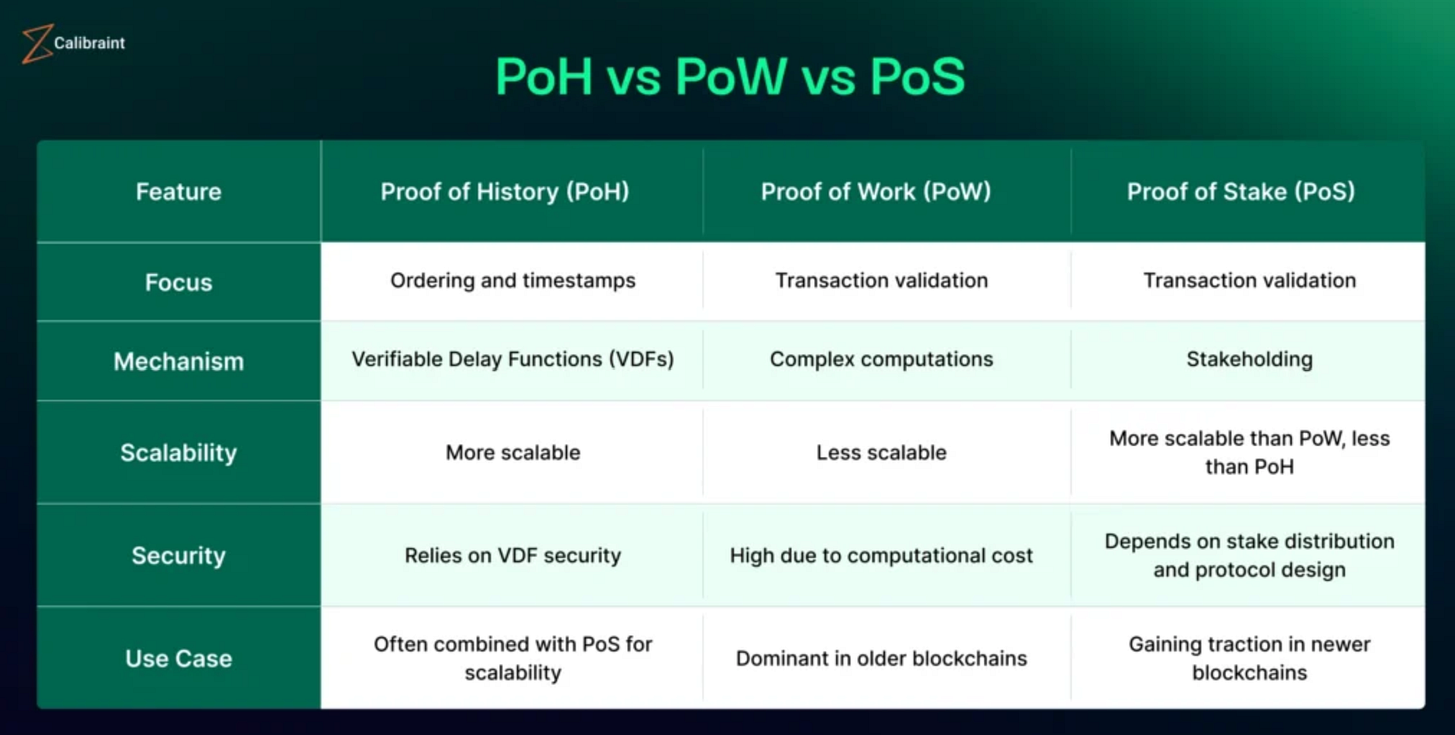
Central to Solana’s innovation is its unique consensus architecture, which integrates Proof of History (PoH) — a verifiable delay function that timestamps transactions — with a traditional Proof of Stake (PoS) mechanism to secure the network (Yakovenko, 2017). This hybrid approach enables Solana to achieve exceptionally high throughput, consistently processing over 2,000 transactions per second (Solana Foundation, 2024) while maintaining transaction costs at remarkably low levels, frequently averaging under $0.001 per transaction (Messari, 2024). The resulting scalability and affordability have positioned Solana as a leading infrastructure layer for the next generation of Web3 applications.
The economic activity on Solana’s blockchain is multifaceted and driven by several interdependent components.
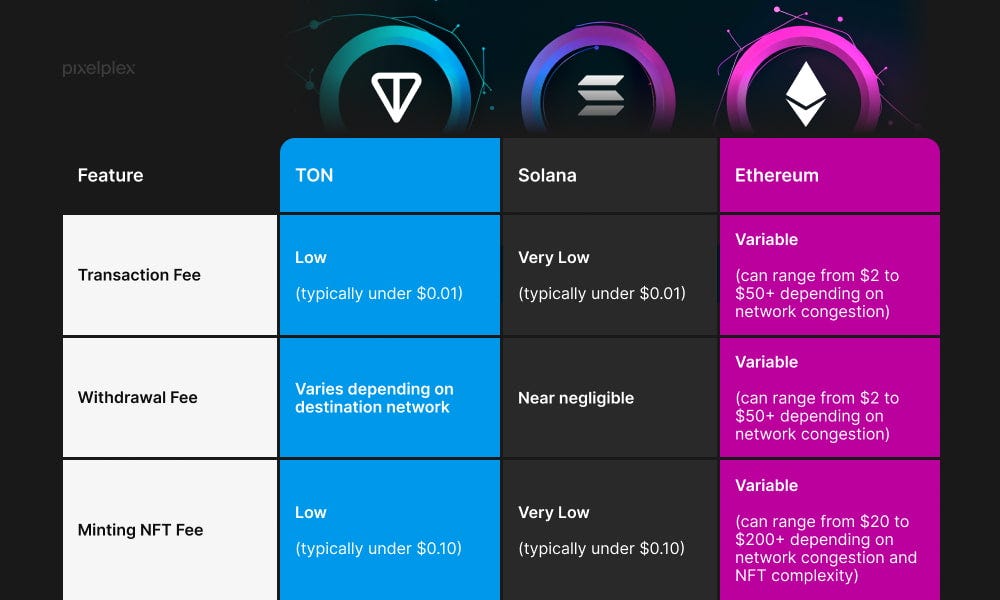
User transactions form the foundational layer of network activity, generating transaction fees that sustain both validators and the broader network economy (Solana Foundation, 2023). Network fees are distributed between burning (reducing token supply) and validator incentives, contributing to both tokenomics stability and decentralization (Solana Documentation, 2024).
Staking rewards further incentivize long-term network participation by offering returns to SOL holders who delegate their tokens to validators, thereby ensuring robust consensus security (Lido on Solana, 2024).
Beyond the core consensus layer, Decentralized Finance (DeFi) activity on Solana has flourished, accounting for billions of dollars in total value locked (TVL) across decentralized exchanges (DEXs), lending protocols, derivatives platforms, and synthetic asset markets. As of early 2025, Solana’s DeFi TVL stands at approximately $3.5 billion, according to DefiLlama. This expansion has been bolstered by initiatives such as Solana’s Firedancer validator client project, aimed at further increasing throughput and reliability (Jump Crypto, 2023).
Simultaneously, non-fungible tokens (NFTs) have emerged as a significant pillar of Solana’s economy. Solana hosts some of the most active NFT marketplaces, such as Magic Eden and Tensor, offering creators and collectors a low-cost, high-speed environment for digital asset trading. Solana processed over 8 million NFT transactions in March 2025 alone (Helius Labs, 2025).
Over a relatively short period, the Solana ecosystem has thus evolved from a promising experimental platform into a mature and dynamic hub of economic activity. Its expansion has not only contributed substantially to the broader blockchain economy but has also shaped emerging practices in digital finance, decentralized governance, and programmable assets. Accordingly, the analysis of Solana’s economic activity provides critical insights into both the evolving trajectory of decentralized technologies and the broader shifts underway in global digital economies.
2. Transaction Volume and Economic Activity
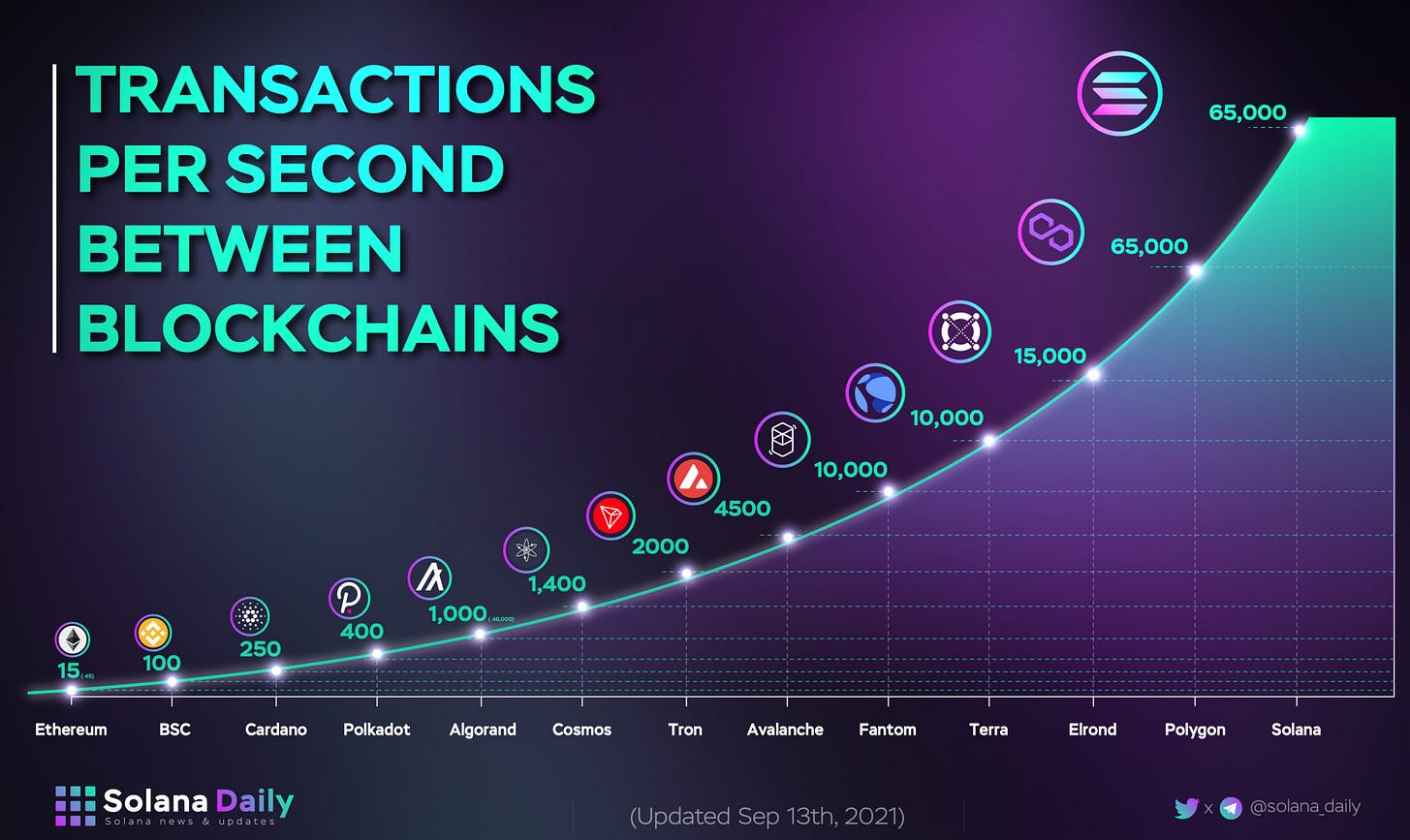
Transaction volume serves as a fundamental indicator of economic activity on the Solana blockchain. As a high-throughput network, Solana regularly processes billions of transactions each month, a reflection of both the growing demand for its technical capabilities and the increasingly diverse range of applications hosted on the platform. The scale of this activity is indicative not only of user adoption but also of the network’s role as critical infrastructure for decentralized finance (DeFi), non-fungible tokens (NFTs), payments, gaming, and broader Web3 services.
Transaction fees generated through this ongoing activity serve as a vital economic mechanism within the Solana ecosystem. Fees contribute to validator revenue, providing financial incentives necessary for maintaining network security, validating transactions, and ensuring decentralized governance (Solana Foundation, 2023). A portion of collected fees is also permanently burned, introducing a deflationary pressure into Solana’s tokenomics (Solana Documentation, 2024).
Key Metrics:
- Monthly Transaction Volume: Solana consistently surpasses 30 million transactions per day, which extrapolates to over 1 billion transactions per month (Artemis XYZ, 2025). This transaction density positions Solana as one of the most active blockchains globally, significantly outpacing other major networks such as Ethereum and Avalanche in raw transaction count (Messari, 2024).
- Revenue from Transaction Fees: The average transaction fee on Solana remains exceptionally low, typically around $0.00025 per transaction (Solana Beach, 2025). While the fee per transaction is minimal, the aggregate volume generates meaningful validator revenue, particularly during periods of heightened on-chain activity, such as NFT mints, airdrop campaigns, or DeFi liquidity migrations. During network congestion events, transaction prioritization through fee markets can further amplify validator earnings, as users voluntarily offer higher fees to expedite processing (Helius Labs, 2025).
Overall, the combination of massive transaction volume and scalable economic incentives forms the backbone of Solana’s robust network health. It demonstrates the blockchain’s capacity to support high-frequency, low-cost activity — a prerequisite for mass adoption of decentralized technologies in both consumer and enterprise contexts.
3. Solana’s Staking Economy
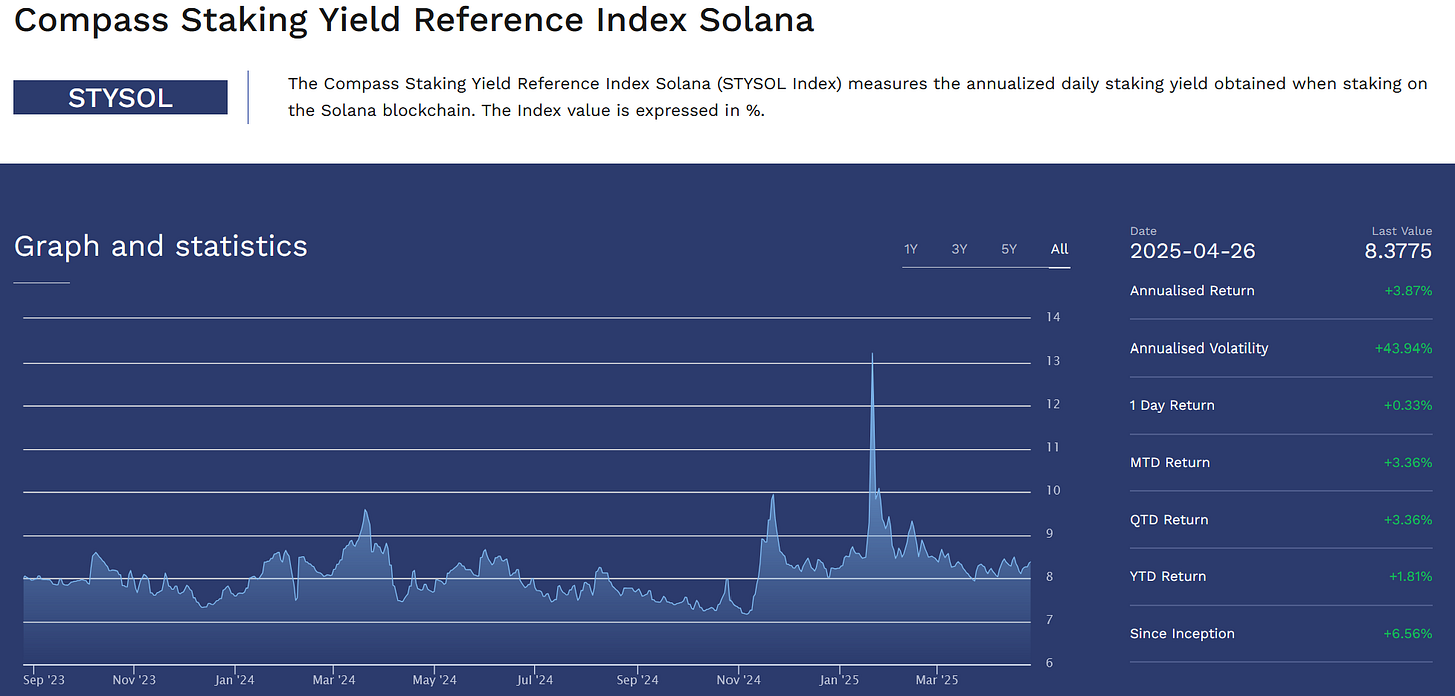
Staking represents a foundational component of the Solana blockchain’s security and economic model. By encouraging token holders to delegate their SOL to validators, the network leverages Proof of Stake (PoS) mechanisms to ensure decentralized consensus, safeguard against malicious attacks, and maintain operational efficiency. As of early 2025, more than 70% of the total SOL token supply is actively staked, underscoring the critical importance of staking within Solana’s broader economic framework (Solana Compass, 2025).
The staking process aligns the economic interests of validators and token holders: validators are responsible for proposing and validating new blocks, while delegators (token holders) provide the necessary collateral to strengthen the network’s security. In return, both validators and delegators earn staking rewards, sourced primarily from network inflation and a share of transaction fees (Solana Documentation, 2024).
Staking Rewards:
- Annual Staking Yield: The average staking yield for participants on Solana typically ranges between 6% and 8% annually, depending on validator performance, network conditions, and inflation rate dynamics (Marinade Finance, 2025). The yield incentivizes long-term token holding and network participation, reinforcing Solana’s economic stability.
- Total Value Staked: The total value staked exceeds $40 billion USD in SOL tokens, according to recent ecosystem reports (Stakewiz, 2025). This significant capital commitment highlights a high degree of user trust in the network’s long-term viability and provides a substantial security buffer against potential adversarial actions.
Key Insights:
The validator economy on Solana is exceptionally robust. Validators not only earn commissions from delegators’ staking rewards but also benefit from reputation effects, as higher-performance validators attract greater stake delegation (Solana Foundation, 2024). This dynamic creates a competitive environment that incentivizes validators to optimize uptime, performance, and community engagement.
Additionally, inflationary rewards play a central role in Solana’s staking model. Newly issued SOL tokens are distributed to validators and stakers as part of the inflationary mechanism, ensuring a steady stream of economic incentives to encourage active participation and decentralization (Solana Tokenomics, 2024). Notably, Solana’s inflation rate is designed to decline gradually over time, with a long-term target of stabilizing near 1.5%, thereby balancing immediate network growth with future monetary soundness.
By combining high staking participation rates, attractive yields, and a well-calibrated inflation model, Solana’s staking economy plays a pivotal role in sustaining the network’s security, decentralization, and economic vitality.
4. DeFi Ecosystem and Economic Growth
Solana has rapidly evolved into a major hub for decentralized finance (DeFi), capitalizing on its high-throughput architecture and extremely low transaction fees to attract a wide range of financial applications. The DeFi sector on Solana spans across decentralized exchanges (DEXs), lending platforms, yield farming strategies, liquid staking protocols, derivatives, and asset management tools. Together, these elements form a dynamic and expanding economic system that reinforces Solana’s role as a leading Layer 1 blockchain for financial innovation.
A major enabler of Solana’s DeFi success is its technological edge: transaction finality times of less than 400 milliseconds and fees often below $0.001 per transaction (Solana Documentation, 2024). These attributes reduce friction for complex financial operations, making Solana an attractive choice for both developers and users seeking to minimize costs while maximizing speed and efficiency.
Major DeFi Protocols:
- Jupiter Protocol: Jupiter is a decentralized aggregator that optimizes trade routing across Solana’s DeFi landscape, combining liquidity from multiple sources to secure the best execution prices for users (Jupiter Aggregator, 2025). Its introduction of limit orders, cross-chain swaps, and liquidity incentives has played a crucial role in deepening market efficiency across the ecosystem.
- Serum: Founded with support from the now-defunct FTX group but later transitioned to community governance, Serum was a pioneering order-book based decentralized exchange (DEX) on Solana. Offering low-fee, high-speed trading, Serum set early standards for DeFi composability on the network (Project Serum, 2023).
- Raydium: Raydium functions as a hybrid automated market maker (AMM) and liquidity provider that interacts natively with Serum’s order books. It facilitates instant trades, high capital efficiency, and incentivized liquidity pools (Raydium Protocol, 2025).
Collectively, these protocols have attracted substantial liquidity, fueled innovations in trading infrastructure, and driven user adoption at a pace rarely seen in other blockchain ecosystems.
Key Metric:
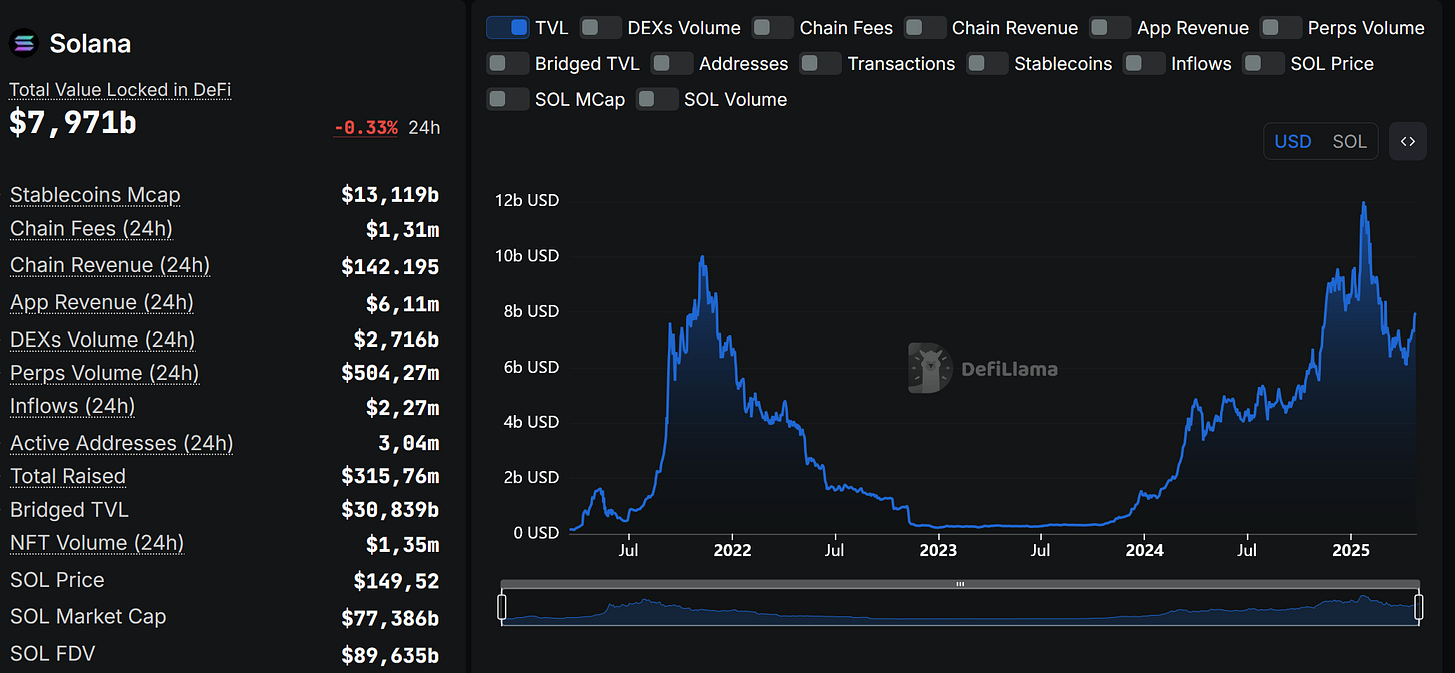
- Total Value Locked (TVL): As of early 2025, the Total Value Locked (TVL) in Solana’s DeFi ecosystem surpassed $6 billion, a remarkable growth trajectory from less than $1 billion in early 2023 (DefiLlama, 2025). This surge in TVL reflects a confluence of factors, including new protocol launches, the rise of liquid staking solutions like Marinade and Jito, and increased cross-chain liquidity via wormhole bridges (Solana Foundation DeFi Report, 2025).
Solana’s DeFi growth is not merely a quantitative expansion but also a qualitative evolution. Protocols are increasingly sophisticated, offering features such as concentrated liquidity, on-chain derivatives, and composable yield strategies, laying the groundwork for a mature and resilient decentralized financial system.
5. Risks and Challenges in Solana’s Economic Activity
While Solana’s economic ecosystem has exhibited impressive growth and maturation, it is not without significant challenges. Understanding these risks is essential for evaluating the long-term sustainability and resilience of Solana’s blockchain economy. Critical issues include network reliability concerns, centralization tendencies within the validator set, and increasing competitive pressures from emerging blockchain technologies.
Network Congestion and Reliability
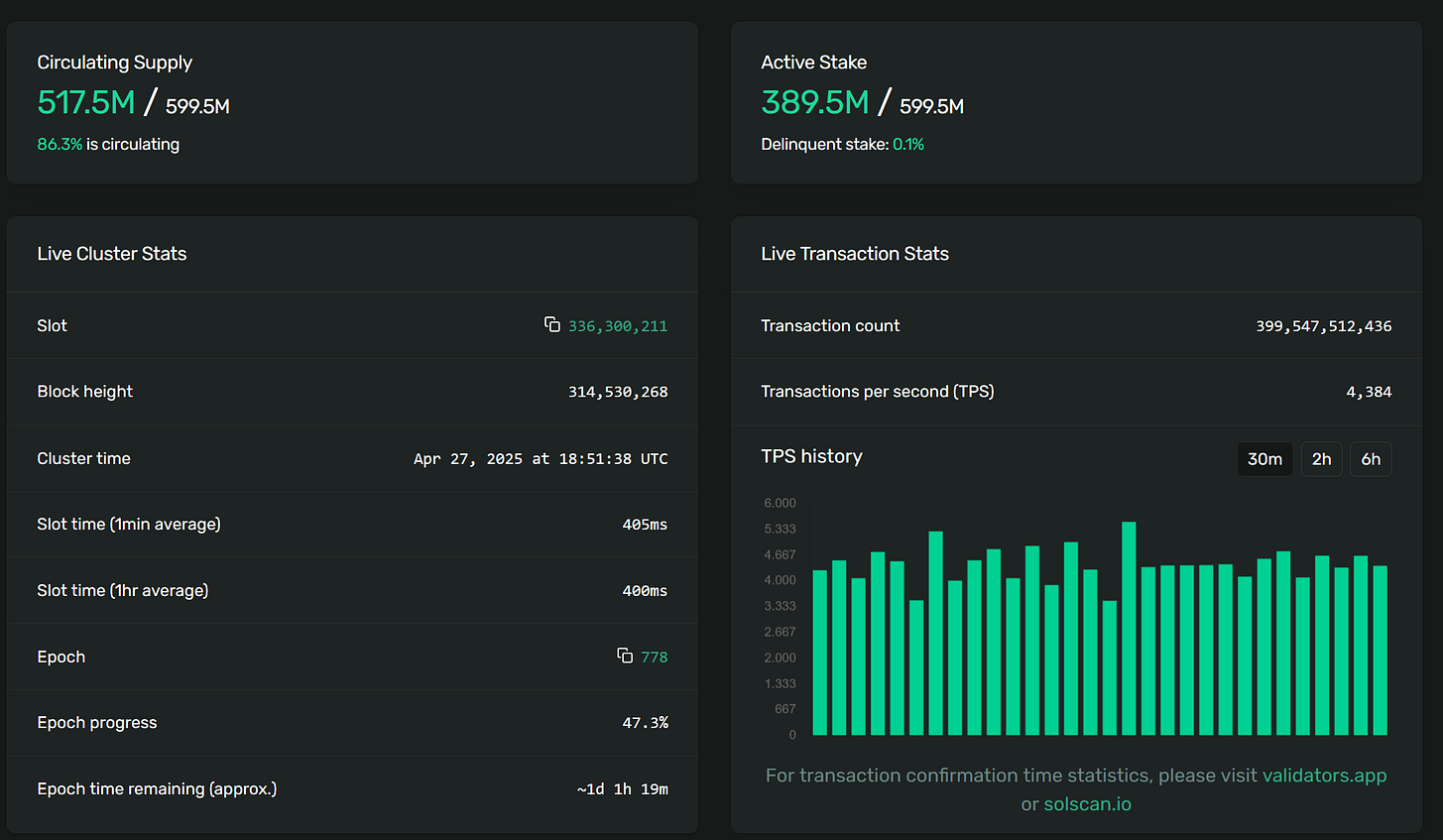
Despite its reputation for high throughput, Solana has periodically experienced network congestion, slowdowns, and outages, which have had tangible impacts on user trust, decentralized application performance, and financial activity on the platform. Notable incidents, such as the major outages in September 2021 and January 2022, highlighted vulnerabilities in transaction prioritization mechanisms and validator coordination (Solana Foundation Incident Reports, 2022). These disruptions temporarily impaired DeFi operations, NFT minting events, and trading activity.
To address these challenges, Solana’s core development teams, including Firedancer contributors from Jump Crypto, are undertaking major upgrades aimed at improving validator client diversity, optimizing transaction processing, and reducing reliance on any single software implementation (Jump Crypto, 2023). Firedancer is expected to significantly enhance network reliability by providing a performant alternative validator client scheduled for full deployment in 2025.
Validator Centralization Risks
Solana’s staking economy, while robust, also presents concerns regarding validator centralization. Analyses show that a significant proportion of stake is concentrated among a relatively small number of validators, potentially undermining decentralization goals (Solana Compass, 2025). Centralization can introduce risks related to collusion, censorship, and single points of failure, particularly during periods of network stress.
Efforts to decentralize staking further include initiatives such as stake pool development (e.g., Marinade and Lido on Solana) and delegation programs incentivizing stake distribution across smaller or emerging validators (Solana Foundation Delegation Program, 2024).
Competitive Pressures
Solana faces growing competition from other high-performance blockchains and scaling solutions. Protocols such as Aptos, Sui, and Ethereum Layer 2 networks (e.g., Arbitrum and Optimism) offer alternative high-throughput, low-latency environments with different technical and economic trade-offs (Messari, 2024). These platforms compete for developer attention, liquidity, and user adoption, putting pressure on Solana to continuously innovate and differentiate.
Moreover, cross-chain bridges and modular blockchain architectures are reducing the friction associated with moving liquidity and applications across ecosystems, making user loyalty increasingly dependent on experience quality, fee structures, and developer incentives rather than on the technical merits of any single chain.
6. Future Outlook for Solana’s Economic Activity
The future of Solana’s economic ecosystem appears highly promising, bolstered by continuous technical innovation, diversification of financial models, and expanding cross-chain interoperability. As the blockchain space becomes increasingly competitive and interconnected, Solana’s proactive development initiatives position it well to capture sustained growth in decentralized finance (DeFi), non-fungible tokens (NFTs), and broader Web3 applications.
Infrastructure Expansion and Network Resilience
One of the most significant developments shaping Solana’s future is the introduction of Firedancer, a high-performance, independent validator client built by Jump Crypto. Firedancer is expected to dramatically enhance Solana’s network performance, improving throughput capacity by an order of magnitude and substantially increasing resilience against client-specific bugs or failures (Jump Crypto, 2023). With Firedancer’s full deployment anticipated by late 2025, Solana aims to support millions of transactions per second while minimizing downtime risks — a key foundation for scaling economic activity across all sectors.
Key Focus Areas for Growth
- Real Yield Protocols: A major emerging trend within Solana’s DeFi sector is the shift toward real yield models — DeFi protocols that distribute revenues generated from actual protocol fees or external sources, rather than relying solely on inflationary token emissions (Delphi Digital, 2025). Protocols such as Kamino Finance and MarginFi are leading this transition, offering sustainable, transparent returns that could appeal to institutional investors and long-term liquidity providers, thereby deepening capital markets on Solana.
- Layer 2 Integrations: Although Solana is architected as a monolithic blockchain (handling consensus, settlement, and execution on the same layer), new experimental initiatives are exploring Layer 2 solutions designed specifically for specialized applications and throughput scaling (Solana Labs Research, 2025). Concepts like Solana Virtual Machine (SVM)-compatible rollups and lightweight appchains could offload transaction load, mitigating congestion during peak demand periods without compromising user experience.
- Interoperability with Other Blockchains: Solana’s active efforts in building bridges and cross-chain messaging protocols are unlocking new economic opportunities in cross-chain DeFi, NFTs, and gaming ecosystems. Notable examples include integrations with the Wormhole bridge for cross-chain asset transfers (Wormhole Foundation, 2025) and collaborations with Cosmos-based chains and Ethereum Layer 2 networks. This interoperability not only diversifies liquidity sources but also amplifies Solana’s participation in the broader multi-chain economy.
Strategic Vision
Looking forward, Solana’s strategy appears focused on scalability without compromise, sustainable financial models, and deep ecosystem integrations. If successful, these initiatives could not only consolidate Solana’s current standing but also elevate it as a core infrastructure layer of the decentralized economy throughout the second half of the 2020s.
7. Conclusion
Solana’s economic activity demonstrates remarkable resilience and innovation in a rapidly evolving blockchain landscape. Through its unique high-performance architecture, strategic infrastructure upgrades like Firedancer, and an expanding DeFi and cross-chain ecosystem, Solana is well-positioned to sustain and grow its economic relevance. However, challenges such as network congestion, validator centralization, and rising competition must be carefully managed. Overall, Solana’s continuous evolution toward scalability, real yield adoption, and interoperability suggests a strong and dynamic future for its blockchain economy.
8. References
- Solana Foundation. “Solana Status Incident Reports.” Solana, 2022, https://status.solana.com/incidents.
- Jump Crypto. “Introducing Firedancer Validator Client.” Jump Crypto, 2023, https://jumpcrypto.com/introducing-firedancer/.
- Solana Compass. “Validator Overview and Centralization Metrics.” Solana Compass, 2025, https://solanacompass.com/validators/overview.
- Solana Foundation. “Delegation Program Overview.” Solana, 2024, https://solana.com/delegation-program.
- Messari. “State of Layer 1s and Competitive Landscape.” Messari, 2024, https://messari.io/report/state-of-layer-1s-2024.
- Delphi Digital. “The Rise of Real Yield in DeFi.” Delphi Digital, 2025, https://members.delphidigital.io/reports/real-yield-in-defi-2025.
- Solana Labs. “Solana Scaling Research and Layer 2 Initiatives.” Solana Labs, 2025, https://solana.com/news/solana-scaling-l2.
- Wormhole Foundation. “Wormhole: Cross-Chain Messaging and Bridging.” Wormhole, 2025, https://wormhole.com/.
- Project Serum. (2023). Serum Protocol Documentation. https://docs.projectserum.com/
- Raydium Protocol. (2025). Raydium AMM and Liquidity Pools.
- Stakewiz. (2025). Validator Data and Total Staked Overview.
- Helius Labs. (2025). Understanding Solana Transaction Fees and Prioritization. https://www.helius.dev/blog/solana-transaction-fees-and-prioritization
- Yakovenko, A. (2017). Solana: A new architecture for a high performance blockchain. Solana Labs Whitepaper. https://solana.com/solana-whitepaper.pdf