In blockchain world security is not merely a feature, it is the foundation upon which trust is built. As decentralized networks become more integral to our digital lives, the ability of a blockchain to withstand threats, recover from incidents, and continuously improve its defenses has become a defining characteristic of its legitimacy and long-term viability.
Among the new generation of blockchains, Solana has emerged as a beacon of performance and innovation, praised for its unmatched speed and throughput, low fees, and unique technical architecture. Since its launch, it has attracted a vibrant ecosystem of developers, users, and investors. But this rapid growth has also brought heightened scrutiny. With complexity comes vulnerability — and Solana, like any ambitious technological experiment, has had its security tested in real-time, often under immense pressure.
From deep protocol-level outages and consensus halts, to smart contract exploits and third-party wallet vulnerabilities, the security history of the Solana blockchain reads as a series of critical stress tests. Each incident not only highlighted specific technical weaknesses, but also raised broader questions about decentralization, incident response, and the maturity of the ecosystem as a whole.
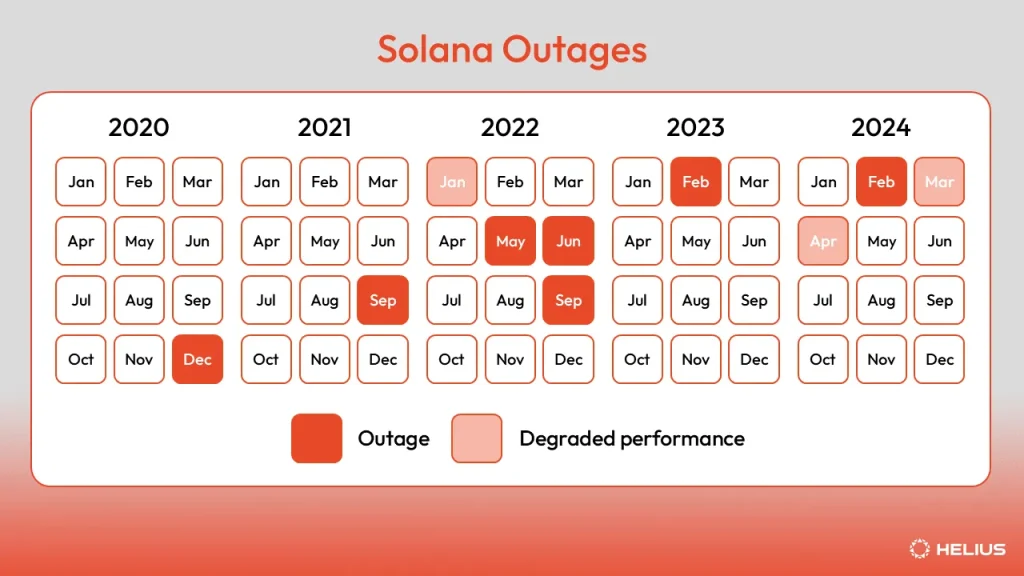
In this deep dive, we delve into the most impactful and instructive security incidents that have shaped Solana’s evolution. Our goal is to analyze what went wrong, how the ecosystem responded, what was learned — and ultimately, what these lessons mean for the future of blockchain security at large.

The Early Days: Network-Level Attacks and Growing Pains (2021)
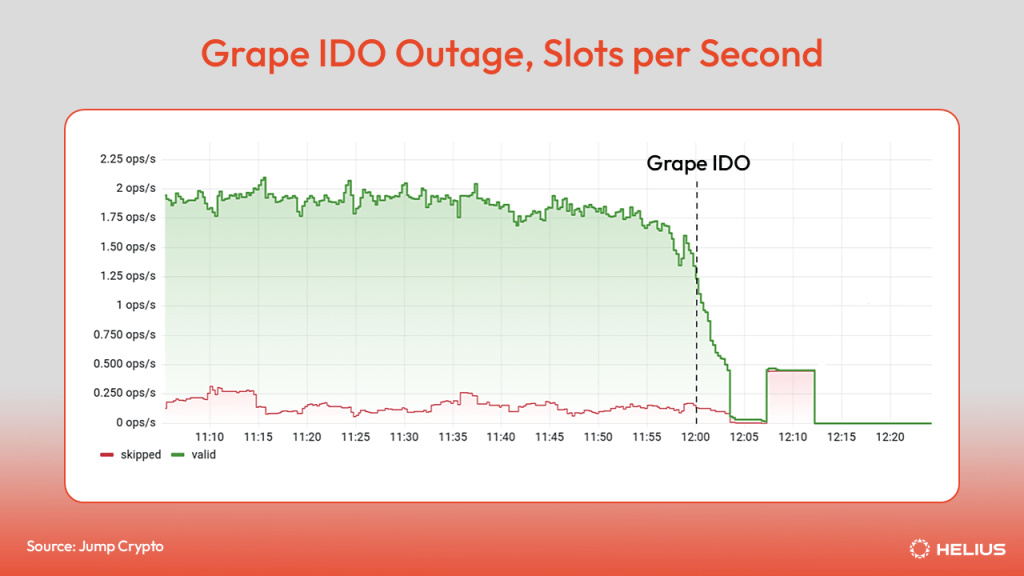
Solana’s early years were characterized by growing pains that often manifested as network outages and performance issues. In August 2021, a DDoS attack via Raydium IDO bots caused severe congestion on the network, temporarily halting transactions. Just a month later, the Grape Protocol IDO overload led to a 17-hour full network halt. These incidents were indicative of the growing pressure that Solana’s high-throughput design was placing on the network’s infrastructure.
The Solana Foundation’s response was swift, with validators working together to restart the network and implement fee prioritization mechanisms to combat spam attacks. While these were not the most severe incidents in terms of financial loss, they served as a wake-up call for the importance of scaling security alongside blockchain growth.
Lessons Learned:
- The necessity of spam filtering and congestion management mechanisms to prevent overload.
- The importance of building network resilience to handle a large volume of transactions, especially during high-demand events like IDOs.
The Wormhole Hack: A Wake-Up Call for Cross-Chain Bridges (2022)
Arguably the most devastating security incident in Solana’s history, the Wormhole hack in February 2022 shocked the broader blockchain community. The hack resulted in the theft of $320 million in ETH due to a vulnerability in the Wormhole bridge, which connected Solana to Ethereum. This breach exploited a weakness in the smart contract logic, which ultimately allowed hackers to mint tokens without backing them with the equivalent funds.
The scale of this attack and the subsequent loss underscored the security risks associated with cross-chain bridges — a critical component of the broader DeFi ecosystem. Solana’s response was to backfill the stolen ETH through the support of Jump Crypto, but the damage was done. The incident highlighted the need for more robust security protocols and multi-signature mechanisms in cross-chain bridges.
Lessons Learned:
- Cross-chain bridges must be secured with multi-sig technology to prevent single points of failure.
- All components of blockchain ecosystems, especially third-party integrations, must undergo rigorous audits and regular security reviews to ensure resilience against attacks.
A Growing Threat: Supply Chain and Application Exploits (2022-2023)
In addition to network-level attacks and vulnerabilities, Solana has also been exposed to supply chain and application exploits, which have targeted more specific areas of the ecosystem. In April 2022, the @solana/web3.js npm package was compromised, potentially allowing attackers to exfiltrate private keys from users who had inadvertently installed malicious versions. Later, in August 2022, the Slope Wallet exploit resulted in the leak of seed phrases from over 9,000 users, leading to a loss of $4.5 million.
These incidents were not the result of flaws in the core protocol but rather vulnerabilities in the broader software supply chain and application-level integrations. Solana’s response to these incidents involved alerting the community and ensuring the malicious versions of the software were removed from the public domain. Despite these efforts, the incidents underscored the growing risks in the ecosystem, particularly for end-users who may not be fully aware of security best practices.
Lessons Learned:
- Developers must emphasize secure key management and secure coding practices to prevent exploits like these.
- Open-source libraries and dependencies should be vetted thoroughly, with increased vigilance around npm packages and other third-party components.
- Users must be continuously educated on the importance of secure seed phrase storage and the risks associated with phishing.
The Stability Era: Lessons from 2023 and Beyond
Since 2023, Solana has shown remarkable resilience, with no significant security breaches comparable to those in previous years. Instead, the network has shifted its focus toward preventive upgrades. The introduction of Local Fee Markets and the QUIC networking protocol has significantly reduced the impact of DDoS and spam attacks. The network’s overall stability has improved, with no major network halts or critical exploits reported since.
Solana’s proactive approach to security patching and testing has been key to this period of relative stability. Regular updates to core protocol layers and improvements to smart contract functionality have contributed to making the platform more robust and secure. Additionally, the introduction of bug bounty programs and collaboration with security firms has bolstered the network’s ability to detect and mitigate threats early.
Key Takeaways: What We’ve Learned
- Security is Multi-Layered: Blockchain networks must secure not only the core protocol but also third-party integrations, including bridges, wallets, and external dependencies. The Wormhole hack was a stark reminder of the importance of securing all aspects of a blockchain ecosystem.
- Fast and Effective Response: Solana’s ability to respond to incidents has improved over time. From network restarts to quick bug fixes, the network has demonstrated increased resilience and a more agile security response.
- User Education is Critical: Many of the security breaches have stemmed from user errors—such as falling victim to phishing attacks or mismanaging private keys. Education and awareness programs are essential in safeguarding users.
- Proactive Prevention Over Reactive Fixes: As Solana matures, there’s a clear shift toward preventive measures—such as improved patch management and enhanced security features like fee prioritization and network-level protection. The focus is now on preventing incidents before they happen.
Analysis of Three Incident Cases
DDoS via Raydium IDO bots (August 2021)
Root Causes
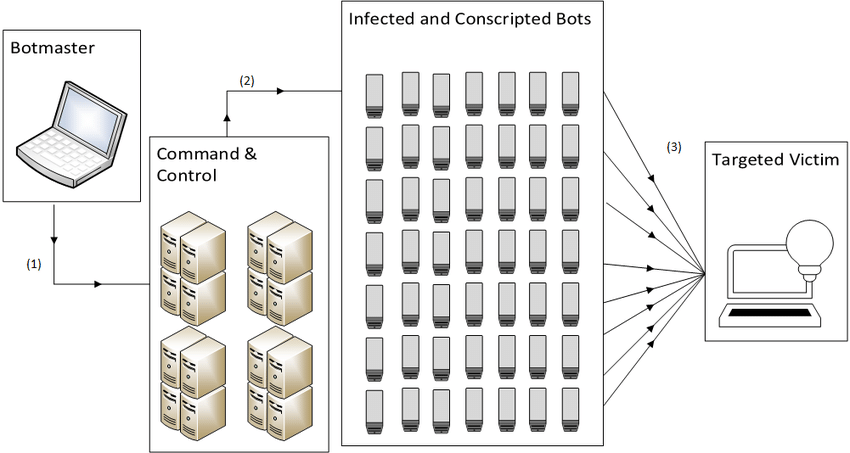
The DDoS (Distributed Denial-of-Service) attack that occurred via Raydium IDO (Initial DEX Offering) bots in August 2021 was primarily caused by an overload of network resources, which led to network congestion and significant performance degradation. This attack targeted the infrastructure of Raydium’s IDO platform, which facilitates token launches on Solana’s blockchain. The bots, automated scripts designed to mass-purchase tokens during the IDO sale, overwhelmed the network by generating an excessive number of requests.
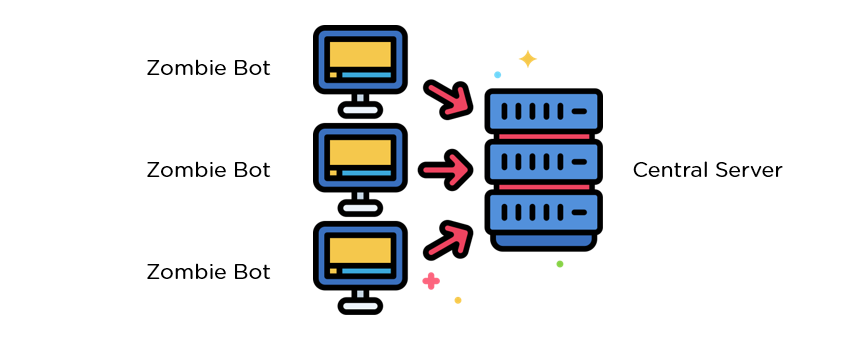
The root cause of the attack lies in several factors:
- Scalability limitations: Although Solana’s network was designed to handle a high volume of transactions, this DDoS attack demonstrated scalability vulnerabilities in the context of large-scale events like IDOs.
- Inadequate bot prevention measures: At the time, there were no anti-bot mechanisms in place to filter and manage these automated scripts.
- Open access to high-value IDOs: The Raydium IDO platform did not have robust mechanisms to limit traffic or prioritize legitimate users, making it an easy target for attackers.
Repercussions
The impact of the attack was profound, as it not only affected the Raydium platform but also had broader implications for the Solana network and its reputation at the time:
- Network congestion: The Solana blockchain experienced severe congestion, which led to delayed transactions, failed transactions, and a temporary loss of network stability.
- Investor dissatisfaction: Many users who were unable to participate in the IDO or who experienced failed transactions were left frustrated, leading to a loss of trust in both Raydium and Solana.
- Reputational damage: Although Solana’s high throughput was one of its major selling points, this event exposed vulnerabilities that could tarnish its image as a scalable and secure blockchain.
- Financial losses: While direct financial losses were not publicly reported, the cost of lost opportunity for legitimate users and investors was considerable.
Incident Response
In response to the DDoS attack, the Solana team and Raydium’s developers implemented several emergency measures:
- Validator restart: The Solana validators worked together to restart the network, which helped clear up the congestion and stabilize the system.
- Rate limiting and fee prioritization: In the wake of the attack, there was an introduction of new mechanisms to limit transaction rates and prioritize high-value transactions by legitimate users. This was done to prevent overload during high-traffic events like IDOs.
- Security audits: Raydium and Solana undertook security audits of their respective infrastructures to identify weaknesses in their systems that could be exploited in future attacks.
Remediations
To ensure that such incidents would not happen again, both Solana and Raydium introduced several remediation measures:
- Enhanced bot protection: The Solana team worked on implementing bot detection systems and anti-bot mechanisms to prevent future DDoS attacks.
- Network improvements: Solana’s scalability was improved to better handle the high-volume transactions associated with large events like IDOs. This included optimizations to block propagation and transaction processing.
- User validation measures: Raydium implemented stricter anti-spam controls for IDOs, ensuring that only legitimate users could participate. They began using KYC (Know Your Customer) processes for token sales to prevent large-scale bot attacks from draining liquidity.
- Platform upgrades: Raydium’s platform underwent upgrades to increase robustness, allowing it to better handle demand spikes in the future.
Lessons Learned
The DDoS attack on Raydium’s IDO platform served as a critical learning point for both Solana and its projects:
- Scalability under stress: Even high-throughput blockchains like Solana need to prepare for stress testing during peak demand times. It was evident that scalability solutions need to go beyond just transaction throughput and address network congestion in the face of large, targeted attacks.
- Importance of anti-bot measures: This incident highlighted the need for effective bot prevention mechanisms, especially during high-profile launches and IDOs. Ensuring that the platform can distinguish between legitimate users and bots is critical to maintaining a positive user experience.
- Continuous improvement: The ability to respond quickly and implement timely solutions is key to minimizing the impact of any incident. The Solana team’s swift action in restarting the network and introducing new features was essential in mitigating the damage.
User Losses
Although financial losses due to the attack were not publicly disclosed, the consequences of the attack were felt by the users:
- Lost opportunity: Investors who were unable to participate in the IDO due to network congestion lost the opportunity to purchase tokens at their initial sale price, resulting in missed financial opportunities.
- User trust: The attack damaged the trust of users in both Raydium and Solana, which can have long-term effects on the reputation of both platforms, especially in a rapidly evolving blockchain ecosystem.
Data Analysis:
- Frequency of security incidents: This was the first major security incident on the Solana blockchain related to DDoS attacks, though network-related incidents have since continued to pose challenges.
- Severity: The severity of the incident was high due to the full network halt and the financial impact on users who were unable to participate in the IDO.
- Total funds lost: While the direct financial loss was not quantified, the opportunity loss for investors was significant. Indirect losses were also seen in terms of the reputational damage to Solana.
- Bug bounty programs: Solana and Raydium’s ongoing bug bounty programs were a critical part of their remediation strategies. Solana’s bug bounty program had already been in place at the time of the attack, offering up to $100,000 for critical vulnerabilities.
Wormhole Bridge Hack (February 2, 2022)
Root Causes
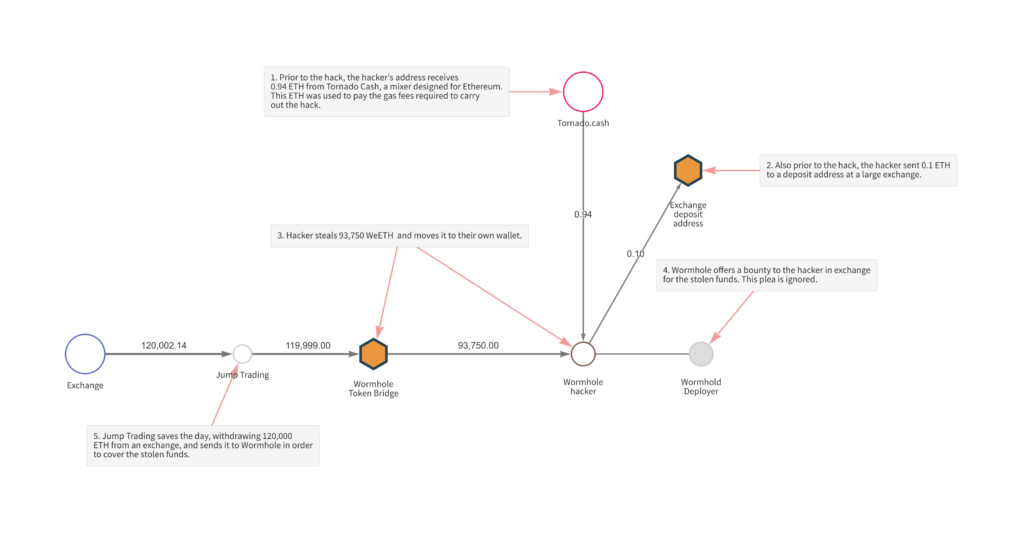
The Wormhole Bridge exploit was a significant attack on the cross-chain bridge that facilitated the transfer of assets between Solana and Ethereum. The primary cause of the breach was a vulnerability in the smart contract validation logic of the Wormhole Bridge. The attacker was able to exploit an oversight in the bridge’s code by manipulating a vulnerability in the Oracle verification process.
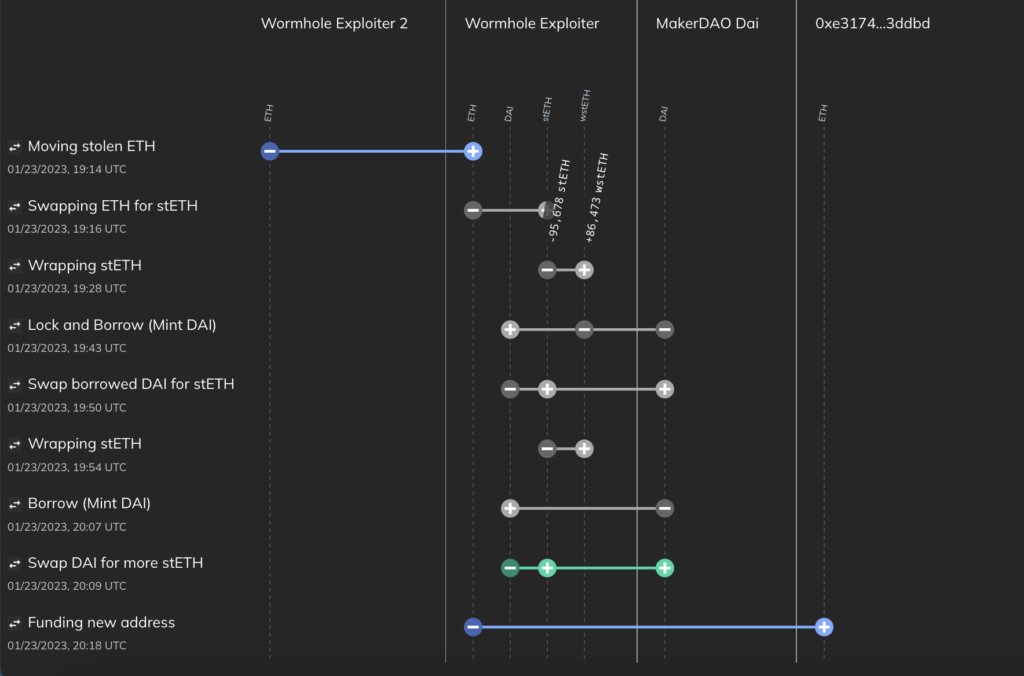
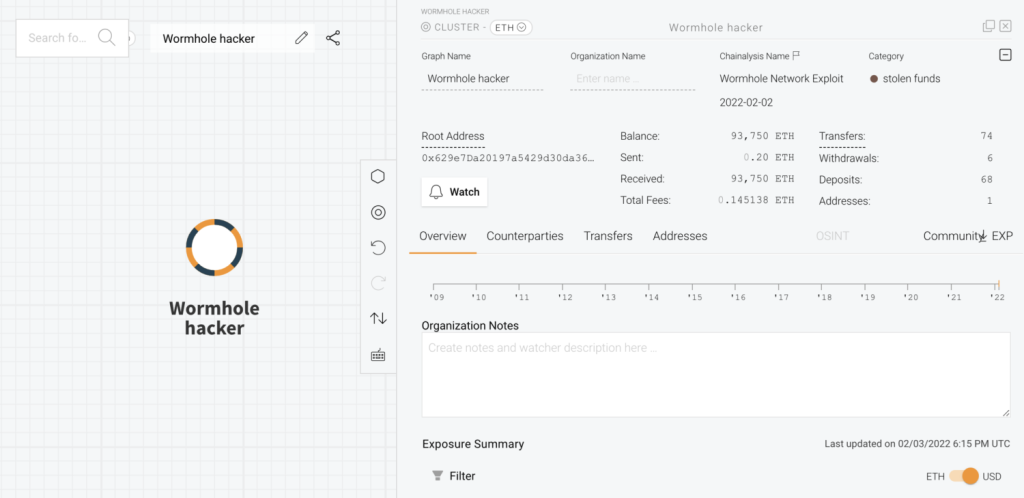
Wormhole relied on a multisignature scheme and oracles to validate cross-chain transactions. The vulnerability was tied to a critical bug in the validation mechanism, which allowed the attacker to forge a message from Ethereum to Solana, effectively minting an unlimited amount of wrapped Ethereum (wETH) on Solana.
The underlying coding error in the smart contract that failed to correctly validate asset transfers between chains opened the door for an attack. While Wormhole was a popular and widely-used bridge, it did not undergo sufficient code audits before the launch, making it an easy target for attackers.
Repercussions
The impact of the Wormhole Bridge hack was far-reaching:
- $320M stolen: Approximately $320 million worth of Ethereum was stolen from the Wormhole Bridge, making it one of the largest DeFi hacks at the time.
- Loss of trust: The hack significantly damaged the reputation of the Wormhole bridge, as well as the broader Solana ecosystem.
- Cross-chain security concerns: The breach raised questions about the security of cross-chain bridges, making users wary of interacting with bridges and decentralized applications (dApps) that relied on them.
Incident Response
- Security patch: After the hack was discovered, the Wormhole team worked quickly to deploy a patch to fix the validation bug in their code.
- Reimbursement of funds: The Wormhole team, with backing from Jump Crypto, replenished the lost funds by purchasing the stolen Ethereum and backfilling the assets.
- Multisignature process review: The vulnerability led to an intense review of the multisignature process used to validate cross-chain transactions, prompting more secure protocols for future implementations.
Remediations
- Code audit improvements: After the incident, Wormhole underwent rigorous code audits and partnered with security firms to improve the security of their contracts.
- Security enhancements for oracles: Enhanced security measures were implemented for the oracle systems, including better multisig management.
- Insurance mechanisms: Post-incident, the bridge integrated additional insurance protocols to cover future hacks and ensure the security of users’ assets.
Lessons Learned
- Cross-chain vulnerabilities: The incident highlighted the risks involved in cross-chain communication and the need for additional layers of security when bridging between blockchains.
- Importance of code audits: Wormhole’s lack of proper auditing was a significant oversight. This incident stressed the importance of thorough security audits before deploying any blockchain code, especially for smart contracts dealing with large amounts of capital.
User Losses
- Users who had deposited Ethereum on the Wormhole Bridge lost their funds due to the hack. While Jump Crypto reimbursed the stolen funds, the hack still caused significant damage to user confidence in bridges and cross-chain solutions.
Data Analysis
- Total funds lost: $320 million.
- Severity: Very high—one of the largest DeFi hacks.
- Frequency of incidents: This was one of the first major cross-chain bridge hacks that specifically targeted Solana.
- Bug bounty program: Wormhole implemented a bug bounty program after the attack, offering significant rewards for finding vulnerabilities in the system.
Slope Wallet Hack (August 2022)
Root Causes
The Slope Wallet hack in August 2022 was caused by a vulnerability in the wallet’s storage mechanism, which stored private keys insecurely on users’ devices. Attackers were able to exploit this flaw by stealing unencrypted private key data from users’ devices and gaining control of their assets.
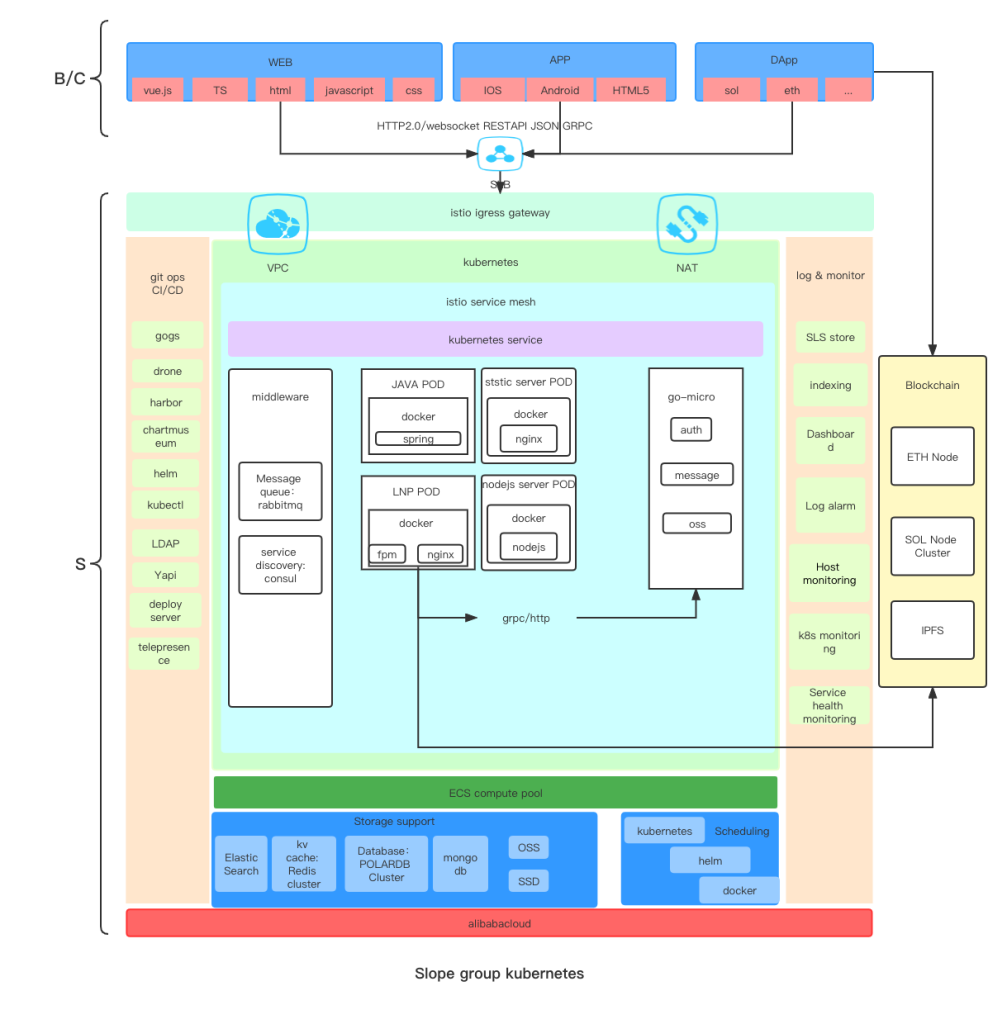
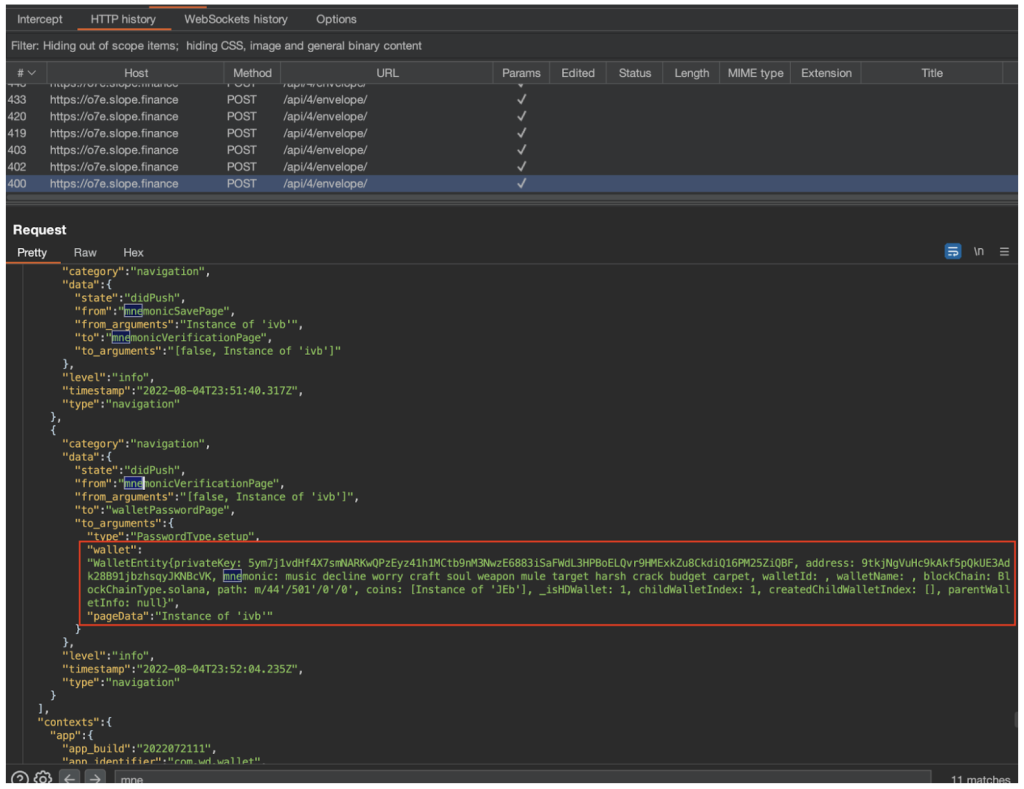
The Slope Wallet had failed to adequately encrypt private keys, leaving them exposed to potential attackers. Some users downloaded a compromised version of the Slope Wallet application, which enabled attackers to exfiltrate private keys from users’ devices. Slope Wallet was criticized for not having sufficiently strong security auditing processes in place.
Repercussions
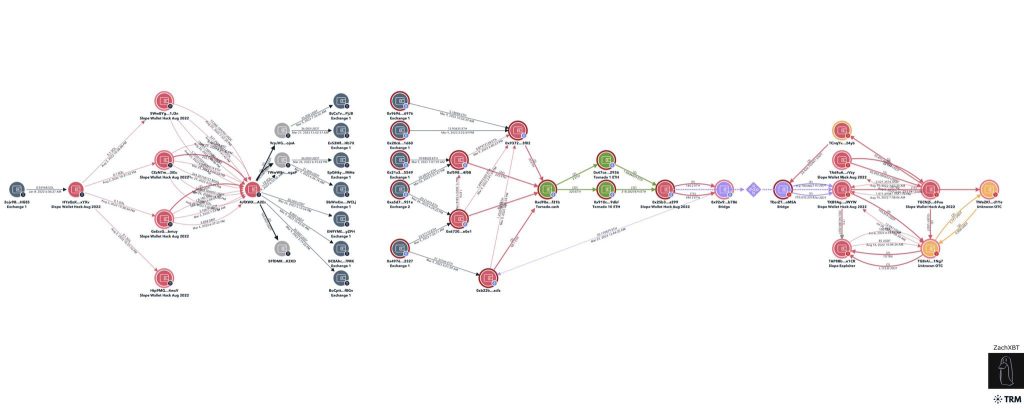
- $4.5 million stolen: The hack resulted in $4.5 million in stolen assets from over 9,000 wallets.
- Massive loss of user funds: Affected users lost various tokens, primarily Solana-based assets.
- Loss of trust in wallet providers: The hack raised doubts about the security of wallet applications, especially in the Solana ecosystem.
Incident Response
- Freeze and investigation: Immediately after the hack was discovered, Slope Wallet froze affected wallets and initiated an investigation.
- Recovery process: The Solana Foundation and Slope Wallet worked together to revoke access to the compromised private keys and began a recovery process for affected users.
- Transparency: Slope Wallet issued a public statement outlining the details of the hack and the steps they were taking to recover the stolen funds.
Remediations
- Revised security architecture: Slope Wallet redesigned its key storage system, introducing encryption protocols to better protect users’ private keys.
- Security audits: The wallet provider hired independent auditors to conduct extensive security assessments of their codebase and wallet infrastructure.
- Education for users: Users were advised to store their private keys in more secure environments, such as hardware wallets, and avoid using compromised wallet apps.
Lessons Learned
- Importance of secure key management: This incident demonstrated how a simple failure to secure private keys could lead to significant user losses and loss of confidence in a product.
- Role of wallet providers in security: Wallet providers must implement best practices in key storage and regularly review their code to ensure their products meet the highest security standards.
User Losses
- Over 9,000 users lost assets due to the hack, totaling around $4.5 million. This created a serious trust issue for users relying on the wallet service.
Data Analysis
- Total funds lost: $4.5 million.
- Frequency of incidents: The Slope Wallet hack was one of several attacks that targeted Solana-based applications in 2022, emphasizing the need for enhanced security in the ecosystem.