As the Solana network grows and matures, its ecosystem is exploring uncharted territories within DeFi. One project that particularly stands out is Solayer, a cutting-edge restaking protocol with the bold mission of improving network bandwidth while bolstering the Layer 1 security of Solana. But there’s more to Solayer than meets the eye—especially with the introduction of sUSD, a yield-bearing stablecoin that promises to revolutionize DeFi on Solana.
Reflecting on Solana’s trajectory, it’s exciting to witness projects like Solayer stepping up to address real challenges in decentralized security and financial accessibility. Let’s take a closer look at how Solayer is achieving this and where sUSD fits into the picture.
Solayer: A Groundbreaking Approach to Restaking
Imagine Solayer as a powerhouse designed to address two primary goals:
- Boosting Solana’s Network Capacity – By enabling decentralized applications (dApps) to secure valuable block space.
- Strengthening Layer 1 Security – Leveraging the economic security of SOL to protect other systems within Solana.
At its core, Solayer consists of two major components: the Restaking Protocol and the Shared Validator Network (SVN). Each part of this architecture serves to make Solana’s ecosystem more adaptable, efficient, and safe.

Restaking: Maximizing the Security of Solana’s Ecosystem
In practical terms, Solayer’s restaking mechanism operates like a network guardian, using SOL staked assets to secure additional systems. This is where the Restaking Pool Manager and the Delegation Manager come in, managing the flow and distribution of staked assets across Solana validators.
Imagine you’re a developer building a dApp on Solana and need assurances of secure block space without astronomical fees. Solayer’s restaking architecture is tailored to handle precisely this, allowing applications to leverage Solana’s economic security in a cost-effective way.

Shared Validator Network (SVN): Enabling Cross-Chain Security
One of the truly innovative aspects of Solayer is its Shared Validator Network (SVN). This network enables Solana-based chains to share security with other chains, creating a collaborative framework that benefits from a shared infrastructure and optimized resource allocation. This setup not only fosters interoperability within the Solana ecosystem but also allows smaller projects to share in Solana’s robust security infrastructure.
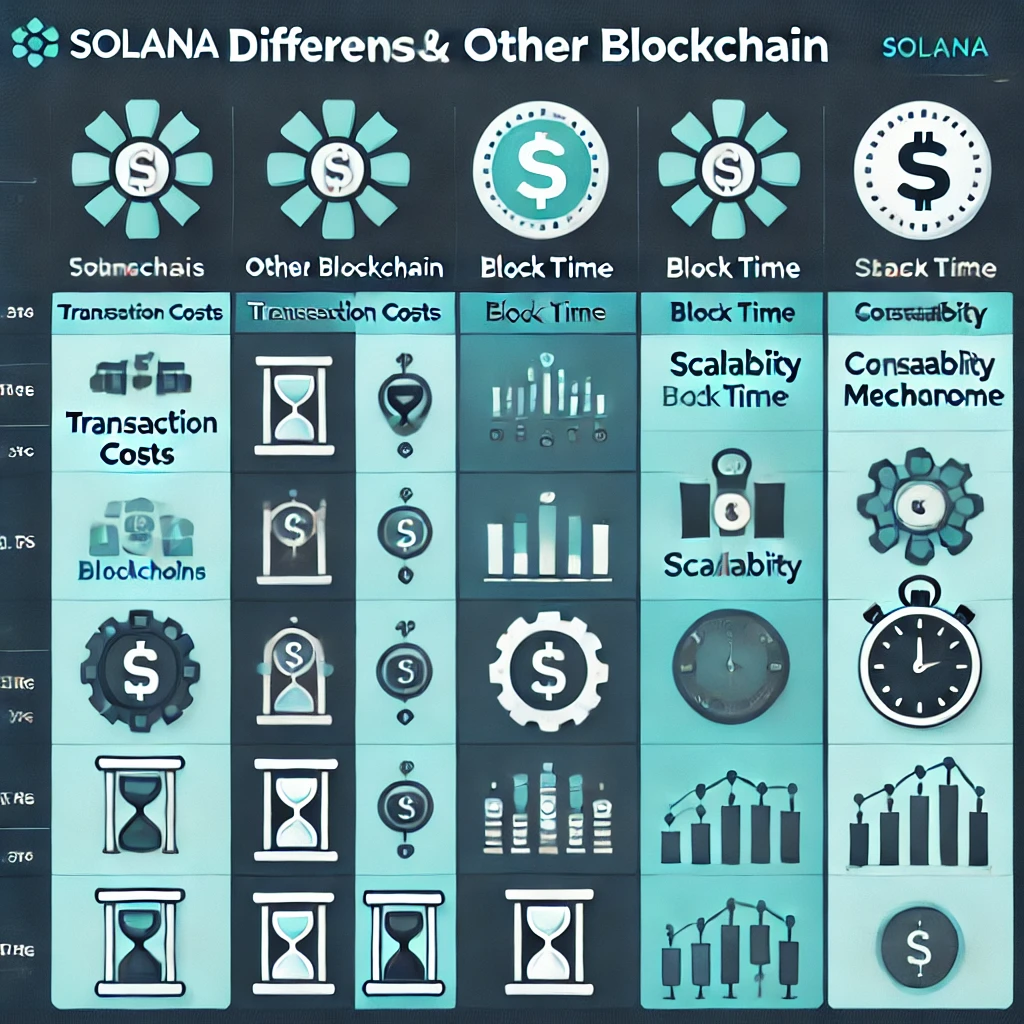
Why Build on Solana? The Technical Edge
Choosing Solana as the foundation for Solayer and sUSD is no accident. Solana offers significant advantages that directly support Solayer’s mission, including:
- Cost Efficiency: Solana’s data availability layer is not only efficient but also far more affordable than alternatives.
- High Performance and Low Latency: With its 400 ms block time, Solana enables real-time dApp interactions and low-latency transactions.
Working within the Solana environment, it’s evident just how much smoother transaction processes and application interactions can be compared to higher-latency networks. These characteristics make it a perfect fit for the rapid, decentralized environment Solayer seeks to build.
Introducing sUSD: A Dual-Purpose Stablecoin
sUSD is a game-changer within the Solayer ecosystem. Backed by U.S. Treasury Bills and yielding an annual 4-5% return, sUSD functions as a secure, yield-bearing stablecoin that provides consistent value to its holders. But what makes sUSD truly unique is its dual role—it’s both a stable asset and a contributor to network security.
Through Solana’s Token 2022 Program, sUSD accrues interest while remaining fully on-chain. Holding sUSD in your wallet is a bit like having a bank account that earns automatic interest, except that everything is entirely decentralized and transparent.
The RFQ Protocol: Decentralized Yield Management
sUSD operates using a decentralized, non-custodial Request for Quote (RFQ) protocol, a system that connects users with liquidity providers for optimal yield generation. When a user locks USDC, the RFQ protocol finds the best rate, ensuring that capital remains decentralized and fairly priced.
The process unfolds as follows:
- User Locks USDC – Initiates a quote specifying transaction terms.
- Liquidity Fulfillment – Qualified liquidity providers meet these terms in a trustless transaction.
- Conversion and Minting – USDC is converted to wrapped T-Bills, which back the sUSD.
- Delegation (Future Feature) – sUSD can soon be delegated to secure additional systems.
Through these steps, sUSD creates a seamless user experience while maximizing yield potential.
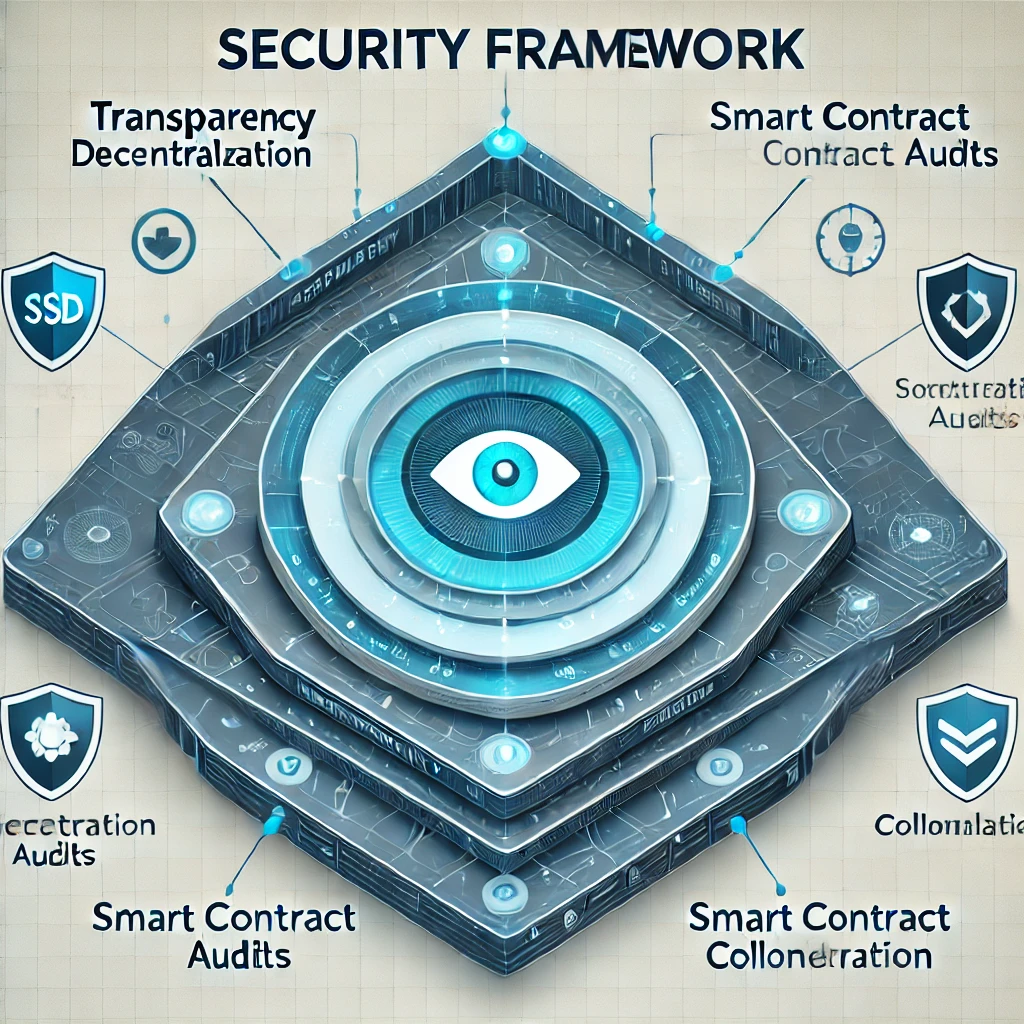
Transparency and Security
Transparency is at the heart of sUSD. Every transaction is recorded on the Solana blockchain, creating a fully transparent system. This design builds user trust, as every participant can trace sUSD holdings and ensure protocol integrity.
Security is further enhanced by Program Derived Accounts (PDAs), which isolate assets and secure them against unauthorized access. Regular audits, like the one conducted by Halborn in October 2024, ensure that Solayer remains vigilant in its commitment to security.
Use Cases of sUSD in DeFi
sUSD’s versatile design opens up a world of DeFi applications:
- Savings and Yield Generation: A stable and rewarding option for those looking to generate yield without high risk.
- Collateral for DeFi Protocols: sUSD serves as collateral, combining stability with the advantage of yield-bearing interest.
- Secure Cross-Border Transactions: Ideal for remittances and other payments needing stable value transfer.
- Supporting Decentralized Systems: Through the upcoming exoAVS feature, sUSD will contribute to securing external systems.
For anyone participating in DeFi, sUSD’s stability and yield-bearing qualities offer a practical, multi-use asset within a dynamic ecosystem.
Conclusion: Solayer and sUSD Leading DeFi on Solana
Solayer and sUSD are ushering in a new era of secure, yield-bearing, and interoperable decentralized finance. With its Solana-native design, Solayer is built to withstand the demands of a growing DeFi ecosystem. And with sUSD, users now have access to a stablecoin that not only preserves value but also actively contributes to network security.
As Solana and DeFi continue to evolve, Solayer is setting a standard for restaking and validation solutions. It’s inspiring to be part of an ecosystem where projects like Solayer are building toward sustainable, innovative solutions.
In a rapidly shifting space, Solayer and sUSD offer a reassuring anchor—a glimpse of what DeFi can achieve when built on strong, secure, and forward-thinking foundations.