

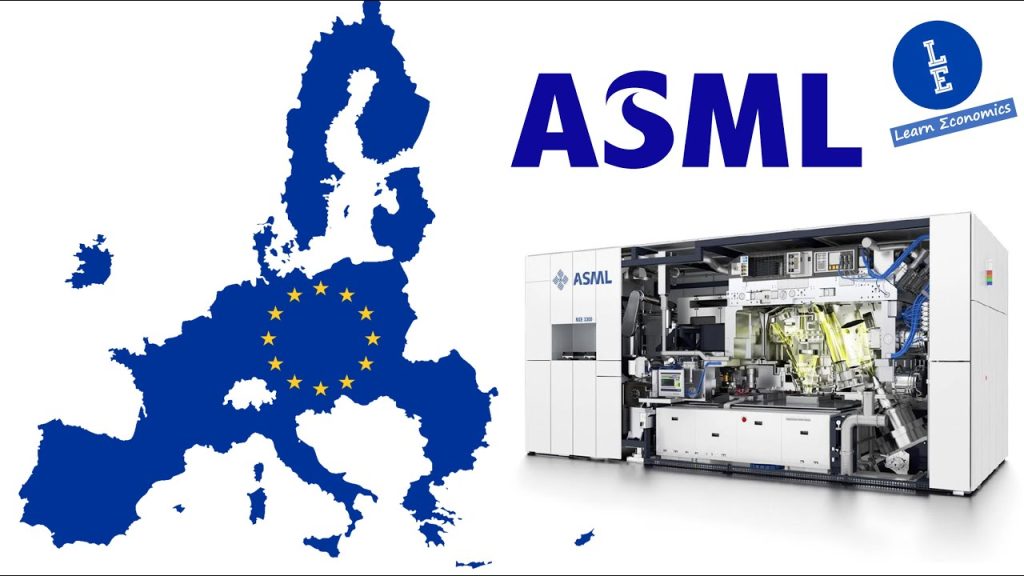
In the world of semiconductor manufacturing, ASML stands as an industry giant, and its 2024 annual report provides a fascinating insight into the company’s financial health, technological investments, sustainability efforts, and workforce dynamics. With a record-breaking €28.3 billion in total net sales, ASML has once again solidified its position as a key player in the semiconductor supply chain. However, beyond the financial success, the report also reveals challenges and areas where the company is striving for improvement.
Financial Performance: Strong Revenue and Shareholder Returns
ASML’s total net sales of €28.3 billion highlight its continued growth despite global economic uncertainties. The company’s gross margin of 51.3% is impressive, indicating strong profitability and operational efficiency. Moreover, ASML returned €3.0 billion to shareholders, reaffirming its commitment to delivering value to investors.
A significant portion of ASML’s financial resources was allocated to R&D costs amounting to €4.3 billion. This level of investment underscores ASML’s ongoing innovation, particularly in advancing extreme ultraviolet (EUV) lithography, which remains crucial for the production of next-generation semiconductors.
Workforce and Diversity: Room for Improvement
ASML’s workforce has grown to 44,027 full-time employees (FTEs), reflecting the increasing demand for skilled professionals in the semiconductor industry. However, one notable statistic stands out: only 21% of the workforce consists of women. While this represents a broader issue in the tech and engineering sectors, it is clear that ASML has significant work to do in fostering gender diversity. Encouraging more women to enter STEM fields and providing leadership opportunities for female employees could help address this imbalance.
Sustainability: Progress and Challenges
Sustainability remains a pressing concern for ASML, particularly regarding carbon emissions. The company reported Scope 1 and 2 CO₂ emissions of 32.8 kt and Scope 3 emissions of 12.0 Mt. While ASML has committed to reducing its carbon footprint, these figures suggest that substantial progress is still needed, especially in managing Scope 3 emissions, which include indirect emissions from suppliers and customers.
On a more positive note, ASML has made strides in circular economy initiatives, with an 88% reuse rate of parts returned from the field and factory. This demonstrates a clear commitment to resource efficiency and reducing electronic waste, aligning with broader industry trends toward sustainability.
Customer and Supplier Relations: A Complex Ecosystem
ASML’s supply chain remains a crucial component of its operations, with 5,150 total suppliers supporting the company’s technological advancements. Ensuring the stability of this ecosystem is critical, given ongoing geopolitical tensions and global supply chain disruptions.
Meanwhile, customer satisfaction remains high, with a survey score of 86%. This suggests that ASML continues to meet or exceed customer expectations, despite challenges such as equipment delays and component shortages that have affected the broader semiconductor industry.
Investments in Employees and Future Growth
One of the more interesting statistics in the report is the €1,084 invested per employee, which includes employee giving programs. This investment reflects ASML’s recognition that talent development and corporate responsibility are essential to long-term success.
Additionally, ASML reported net system sales of 583 units, a key indicator of demand for its cutting-edge lithography machines. With semiconductor manufacturers pushing for ever-smaller and more powerful chips, ASML’s technology remains indispensable, making future growth prospects strong.
Conclusion: A Leader with Challenges Ahead
ASML’s 2024 annual report paints a picture of a company at the top of its game, yet facing significant challenges. Its financial performance is robust, with strong sales, profitability, and R&D investments ensuring continued innovation. However, areas like sustainability, workforce diversity, and supply chain resilience require further attention.
As the semiconductor industry continues to evolve, ASML’s role will be critical in shaping the future of technology. With strategic investments and a focus on sustainability, ASML can maintain its leadership position while addressing the pressing issues of our time.