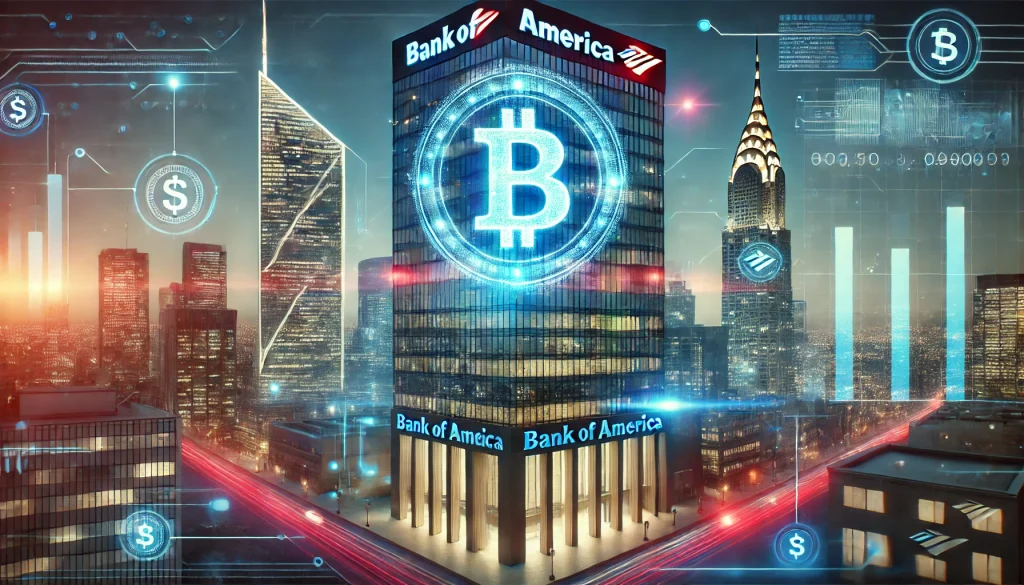
Bank of America could soon join the stablecoin industry—provided that a clear regulatory framework is established in the United States. Speaking at the Economic Club of Washington, D.C., CEO Brian Moynihan stated that the bank is open to launching a stablecoin once the necessary legal conditions are met.
“If it becomes legally permissible, we will participate in that sector,” Moynihan said, as reported by Fortune.
He also hinted at the possibility of issuing a stablecoin backed by customer deposits, though he did not disclose specific details regarding potential products or timelines.
Stablecoins Gaining Momentum in the U.S.
The prospect of major financial institutions entering the stablecoin market comes at a time when U.S. lawmakers are actively discussing regulatory measures. Several bills have been introduced, including the Lummis-Gillibrand Payment Stablecoin Act, the Clarity for Payment Stablecoins Act of 2024, and the GENIUS Stablecoin Bill.
In February 2025, Rep. Maxine Waters, the ranking member of the House Financial Services Committee, called for bipartisan cooperation on stablecoin regulation. She voiced her preference for a bill introduced in 2024 by former committee chairman Patrick McHenry, suggesting that it offers a more balanced regulatory approach.
Meanwhile, Senator Bill Hagerty has proposed the Clarity for Payment Stablecoins Act of 2024, which builds on McHenry’s bill but includes a key difference—allowing stablecoin issuers with less than $10 billion in market capitalization to be regulated at the state level instead of the federal level.
Federal Reserve: Banks Should Be Allowed to Issue Stablecoins
Federal Reserve Governor Christopher Waller recently weighed in on the future of stablecoins, advocating for financial institutions to be allowed to issue regulated digital assets. Speaking at a conference on February 12, Waller described stablecoins as an opportunity to improve cross-border payments and global trade.
“I see a growing number of private sector players looking for ways to integrate stablecoins into retail payments,” Waller noted.
Stablecoins have gained popularity due to their low transaction costs and near-instant settlement times, making them a preferred choice for remittances and international payments—traditionally slow and costly processes.
As regulatory discussions continue, the question remains: will the U.S. establish a clear legal framework that enables banks like Bank of America to enter the stablecoin market? With major financial players expressing interest, the future of digital dollar-backed assets is poised for significant development.